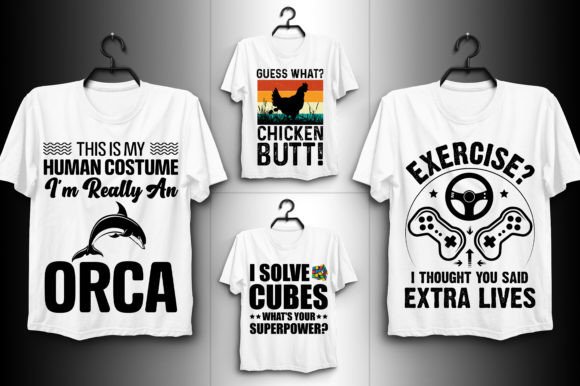
SVG PNG EPS T-Shirt Design Review for Embroidery
Opening the Bundle and First Impressions
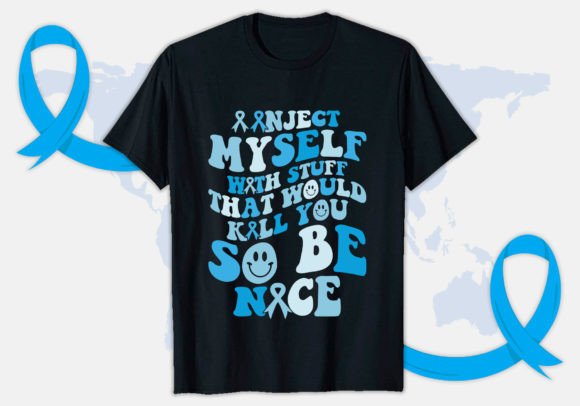
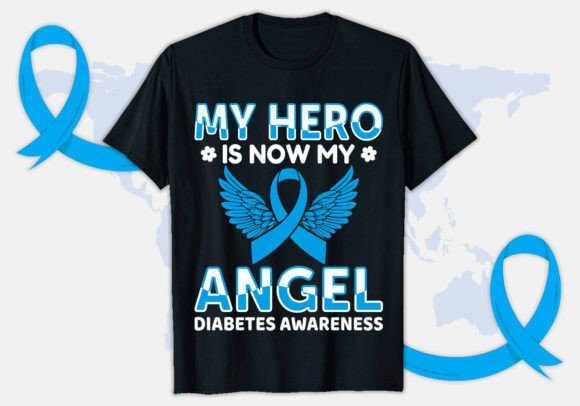
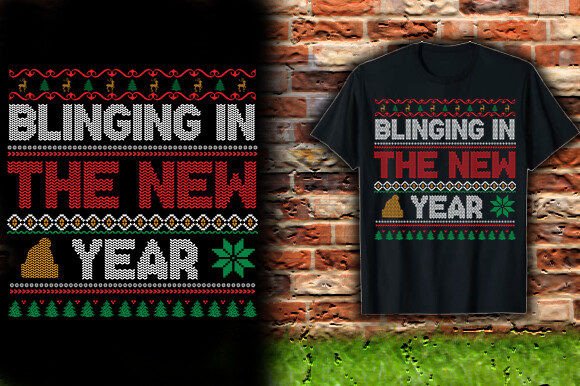
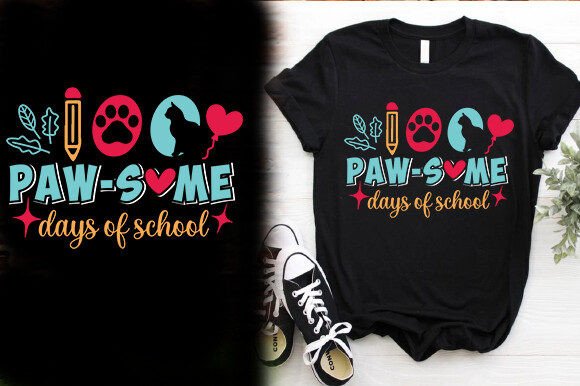
When I first opened the SVG PNG EPS T-Shirt Design bundle, I immediately recognized a clean, organized setup that speaks to someone who understands how crafters and small business owners actually work. Four black PNG files, four print-ready transparent PNGs at a generous 4500×5400 pixels and 300 dpi, plus four fully editable EPS files. That is a practical mix. It tells me the designer behind this SVG T-Shirt Design-Trendy Pod Best Svg T-Shirt Design T-Shirt Design Bundle wanted to cover multiple creative workflows without overcomplicating things.
From an embroidery designer's perspective, the presence of high-resolution transparent PNGs is immediately valuable. When I test a graphic for machine embroidery digitizing, I need a crisp silhouette and clean edges. The transparent background lets me drop the design directly into my digitizing software and trace it without spending extra time cleaning up stray pixels or jagged outlines. The EPS files are the real backbone here. Fully editable vectors mean I can scale the design up or down, isolate elements, adjust density before auto-digitizing, and even break the design into sections for multi-hooping or applique work. That flexibility matters when you are stitching on everything from a small baby onesie to a large tote bag panel.
The mood these designs carry feels modern and slightly playful. The shapes are balanced, the themes feel versatile, and nothing looks overly trendy in a way that would feel dated by next season. That is a quiet strength. When I pick a design for my embroidery projects, I want something that will still look intentional six months or a year from now. This bundle gives off that steady, approachable energy.
How a Real Embroidery Project With These Files Played Out
Last week I was prepping a small batch of custom embroidered tote bags for a local boutique order. The client wanted something minimalist but recognizable, a design that would read clearly on natural cotton canvas without overwhelming the fabric texture. I pulled one of the black PNG files from the SVG PNG EPS T-Shirt Design set, imported it into my digitizing software, and started building the stitch file.
The clean lines in the PNG made auto-tracing surprisingly accurate. I did not have to chase down tiny stray nodes or spend twenty minutes smoothing curves. That alone saved me time. I converted the traced shape into a mix of satin stitch for the main outline and a light fill stitch for the interior shapes, keeping the stitch density moderate so the cotton canvas would not pucker. After a quick test on scrap fabric, the stitched version held its shape beautifully. The design read clearly from a few feet away, which is exactly what you want on a tote bag someone carries around town.
Later I tested another design from the bundle on a soft sweatshirt. The fabric had a slight fleece texture, so I increased the underlay stitching to keep the details from sinking into the nap. Again, the clarity of the original PNG silhouette made a difference. Because the source file was high-resolution and clean, I could confidently adjust stitch angles without worrying that small gaps or fuzzy borders in the original graphic would translate into messy embroidery.
Where the Design Performs Best in Embroidery Projects
Based on my tests, this bundle fits naturally into several categories of embroidery work. The designs are graphic-forward but not overly intricate, which makes them strong candidates for products where visual impact matters more than tiny decorative details.
- Custom apparel like t-shirts, crewnecks, and hoodies. The bold shapes hold up well at standard chest and sleeve placement sizes.
- Tote bag designs and canvas pouches. The designs sit nicely on textured woven fabrics without losing readability.
- Embroidered patches. The outlined style in several pieces translates well into patch format with a dense satin border.
- Aprons and kitchen towels. A simple, crisp design stitched on linen or cotton twill looks professional and giftable.
- Pillow covers and nursery decor. Scaled up slightly, the graphics add personality without becoming visually noisy.
- Baby clothing and children's items. The clean shapes feel age-appropriate and sweet without straying into overly babyish territory.
- Small shop merchandise and craft fair products. These designs have the kind of universal appeal that moves product quickly at a market table.
- Digital embroidery file preparation for Etsy listings. If you sell digitized embroidery files, clean source art like this reduces your processing time and customer complaints about poor stitch quality.
Watchpoints for Tricky Surfaces and Small Details
No design works perfectly on every surface, and this bundle is no exception. After running several stitch tests, I noticed a few areas where embroidery crafters should proceed thoughtfully.
Small hoop sizes demand careful scaling. If you try to shrink one of these designs down to fit a 4x4 inch hoop for a baby bib or a cap front, some of the finer internal lines might close up or lose distinction. I recommend testing at your target size on a similar fabric before committing to a full production run. On caps and hats, the curved surface and structured front panels can distort designs that have strong horizontal elements. A slight arc adjustment during digitizing usually fixes this, but do not skip the test stitch on a practice cap.
Stretchy fabrics like performance tees or thin jersey need a solid cutaway stabilizer and possibly a topper to prevent shifting. The bold elements in these designs can look wavy or distorted if the fabric moves even slightly under the needle. On dark fabrics, the design visibility depends entirely on your thread color choices. Since the bundle provides black PNG files, you will need to mentally reverse the color palette if you are stitching light thread on a dark background. I always do a quick grayscale mockup on screen first to see how the tonal balance shifts.
Items that will face frequent washing, such as kitchen towels or children's clothing, benefit from a slightly reduced stitch density and a soft backing. Overly dense stitches on high-use items can feel stiff and may eventually cause thread breaks. The design itself is sturdy enough for regular laundering if you digitize it with realistic density in mind.
Thread Colors and Stitch Style Decisions
Because the source files are supplied in black, I had complete freedom to experiment with thread palettes. That is a significant creative advantage. For one test, I stitched a design in a muted terracotta on an oatmeal linen pillow cover, and the result felt warm, handmade, and boutique-quality. Another test used a deep navy thread on a natural canvas tote, and the contrast was crisp without feeling harsh.
The designs respond well to satin stitch for edges and fill stitch for interior blocks. A few pieces have shapes that would also work nicely as applique designs, where you stitch a fabric shape onto the base material and then finish the edge with a satin or decorative stitch. If you lean toward applique in your embroidery business, the EPS files become especially useful because you can create precise cutting templates from the vector outlines.
I did notice that exceptionally fine running stitch details, like tiny accent lines inside some shapes, need a slightly heavier thread weight or a tighter stitch length to remain visible on textured fabrics. On smooth cotton or twill, they hold up well. On fleece or terry, they can disappear into the pile. Adjust your digitizing settings accordingly.
Commercial Use and Craft Business Considerations
Anyone selling finished embroidered products, digital embroidery files, or printable mockups needs to think beyond the design itself and into licensing. The file bundle includes PNG and EPS formats that are clearly intended for creative use, but I always advise fellow Etsy sellers, craft business owners, and small shop operators to verify the commercial license terms directly with the seller before listing products made from these designs. The description says SVG T-Shirt Design-Trendy Pod Best Svg T-Shirt Design T-Shirt Design Bundle but does not explicitly state the allowed uses. Do not assume. A quick message to the shop can save you from a takedown notice or an awkward customer situation later.
For printable mockups and digital product previews, the 4500×5400px transparent PNGs are excellent. You can layer the design onto photos of blank t-shirts, totes, or sweatshirts to create clean listing images. High resolution means no pixelation even when you zoom in, and the transparent background makes compositing fast and professional.
How the Design Affects Customer Perception
When a customer picks up an embroidered tote bag or unfolds a stitched sweatshirt, they react to the whole product before they notice individual stitches. The shapes in this SVG PNG EPS T-Shirt Design bundle have a confident, clear presence that photographs well and looks intentional in person. That quality directly impacts product value and customer trust. A design that stitches out cleanly and reads clearly signals that the maker cares about quality. It strengthens brand consistency across your product line and makes repeat purchases more likely.
I also think about giftability. A personalized gift with a crisp, well-placed embroidered design feels more polished than something that looks fussy or hard to decipher. Several designs in this bundle would suit wedding gifts, holiday presents, baby shower items, or housewarming products without requiring extensive customization. The straightforward visual personality leaves room for the handmade quality of the stitching itself to shine.
Practical Notes From the Embroidery Table
Here is what I would tell any embroidery designer or maker before they stitch this design for the first time.
- Test on scrap fabric that matches your final product material. Cotton behaves differently than fleece, and you will catch tension issues early.
- Check your thread color contrast against the background fabric under the lighting where the product will be photographed or displayed.
- Review stitch density carefully. A design that looks perfect on screen can feel stiff or cause puckering if digitized too densely for the fabric you chose.
- Confirm your hoop size. The design dimensions are generous at full scale, and scaling down too aggressively can compromise small interior details.
- Inspect small details in both color and black-and-white mockups before digitizing. Shifting to grayscale reveals whether the design still reads when tonal variation is minimal.
- Use proper stabilizer. Cutaway for knits, tear-away for wovens, and always consider a water-soluble topper for textured or napped fabrics.
- Compare how the design looks on light and dark fabric backgrounds with different thread colors. What works in black thread on white cotton may need adjustments in white thread on navy canvas.
- If you plan to sell the finished product or the digitized embroidery file, confirm the license covers commercial use. This is not the place for assumptions.
Final Thoughts Before You Stitch
What I appreciate most about the SVG PNG EPS T-Shirt Design bundle is that it does not try to do too much. It delivers clean, high-resolution source art in formats that actually match how embroidery digitizers and apparel decorators work. The files are organized sensibly, the resolution is print-ready and digitizing-ready, and the visual style adapts well across a range of embroidery products. I have already used two designs in client orders and have a third slated for a batch of personalized kitchen towels I am preparing for a holiday market.
If you are an embroidery designer, a small shop owner building inventory for craft fairs, an Etsy seller expanding into digital embroidery files, or a maker who wants reliable design assets that stitch out as cleanly as they look on screen, this bundle deserves a spot in your working library. Take the time to test your stitch file, play with thread colors, and match the design thoughtfully to your fabric and product type. That extra attention will turn a solid graphic into an embroidered piece that customers reach for again and again.