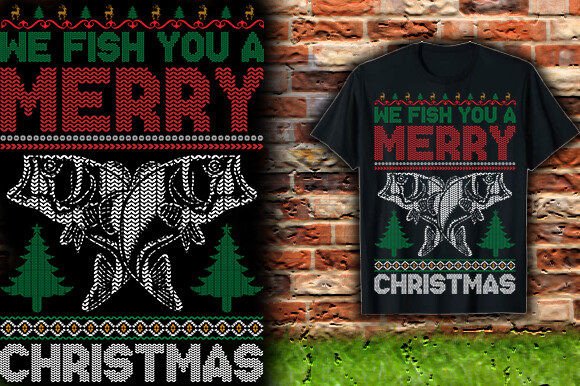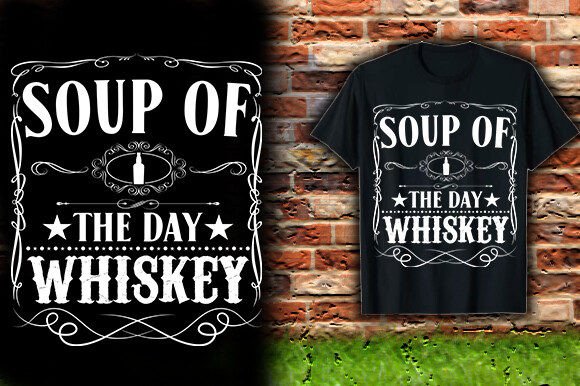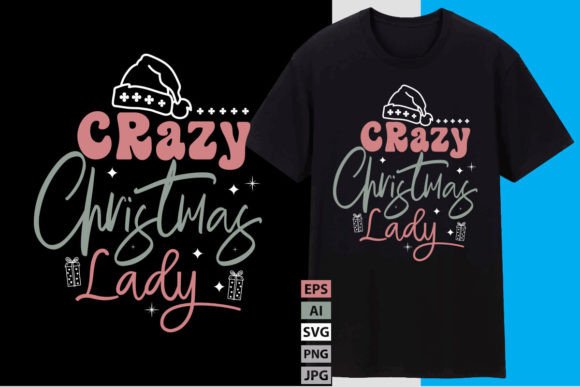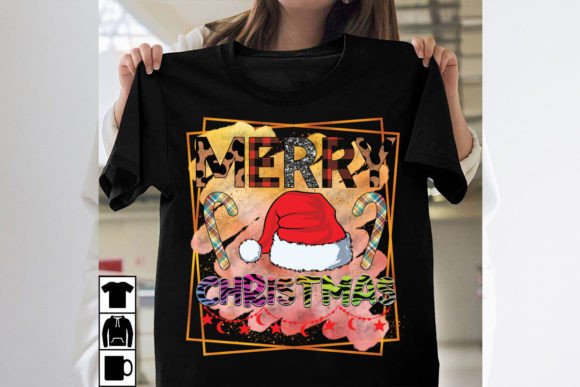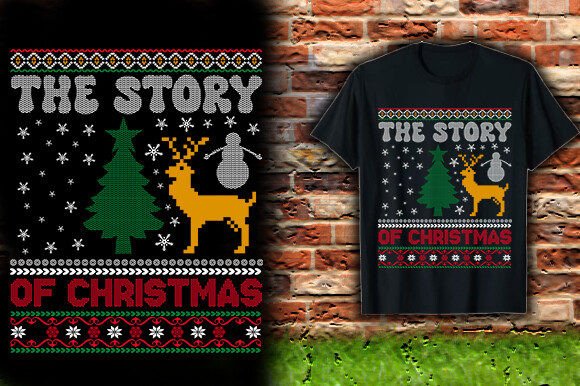
The STORY of CHRISTMAS TSHIRT DESIGN
Opening a vector file called The STORY of CHRISTMAS TSHIRT DESIGN feels a bit like peeking into someone’s cozy holiday workshop. It is not a flat, generic Christmas icon. The shapes build a small narrative — a little moment that instantly makes you think about how it would look stitched onto a soft flannel blanket or centered on a sturdy cream tote. As someone who reviews designs through the lens of actual embroidery work, my first thought is always: can this survive the transition from screen to thread, or will it fight me on stabilizer and small-satin chaos? This one has promise, but it also needs some honest, practical thinking before you commit it to a hoop.
What This Design Actually Brings to an Embroidery Table
The description states it is made with 100 resizable vector shapes, and that matters enormously. For print, that means clean curves. For embroidery, it means you can scale the artwork to fit anything from a baby onesie to a jumbo tote panel without losing clarity before you even touch a digitizer. Being able to edit colors quickly is also a gift; a client who wants a sage-green and cranberry palette instead of classic red and gold can be accommodated without redesigning the entire piece. The file format — EPS 10 and SVG — is friendly to vector software that embroidery digitizers often use as a starting point. Still, this is a t-shirt design asset, not a digitized embroidery file. The jump from vector art to stitchable design is where your expertise as a maker takes over.
Looking at the visual personality of The STORY of CHRISTMAS TSHIRT DESIGN, the mood walks a line between playful and heartfelt. There are multiple elements that together tell a small Christmas story — think text paired with illustrative icons, perhaps a subtle character or scene detail. This kind of layered composition appeals strongly to gift buyers and holiday craft shoppers. On a finished product, it does not just scream ‘Merry Christmas’; it invites a closer look, and that is a massive advantage when you are selling embroidered pillows, aprons, or boutique baby gifts.
Where This Design Naturally Belongs in Your Embroidery Project Lineup
A design built around narrative shapes performs best when the canvas gives it room to breathe. I would not force it onto a tiny 4x4 hoop unless the shapes are drastically simplified, but a 5x7 or larger area can hold the detail in a way that stitching makes sense. Here are a few project ideas where The STORY of CHRISTMAS TSHIRT DESIGN would genuinely shine:
- Custom embroidered tote bags — a natural choice for holiday markets. The design anchors the front with a storytelling focal point, and because the vector is resizable, you can adapt it to the pocket or the main panel.
- Cozy sweatshirts and hoodies — left chest placement or a centered back embroidery on a French terry sweatshirt. The thread texture adds a dimensional, homemade charm that print cannot replicate.
- Kitchen textiles — tea towels, apron bibs, or oven mitt faces. Linen and cotton blends take embroidery beautifully, and the Christmas motif transforms a simple household item into a thoughtful, sellable item.
- Nursery decor and baby garments — the soft storytelling style works on baby rompers, bibs, or a small statement pillow for a holiday nursery corner. Always check scale; on baby clothes, you may want to isolate just one key element from the design to keep stitching smooth.
- Patches and decorative accents — digitize a compact version as an embroidered patch to sell in craft fair bins or attach to beanies and scarves.
Thread, Texture, and the Realities of Stitching a Story
A vector design with multiple shapes means the digitizing process will need to decide what becomes a satin stitch, what gets a fill, and whether any tiny details deserve a delicate running stitch. The beauty of The STORY of CHRISTMAS TSHIRT DESIGN is that you can control that because you can modify the vector before tracing. If a small star is going to collapse into a messy blob at a given size, you can enlarge it or remove it in the source file. That is a workflow superpower for embroidery designers who want to deliver crisp, professional results.
Thread color choices will make or break the final product. Since the original colors are fully editable, I recommend spending time on a thread chart before you stitch. What looks vibrant on screen can look muddy on textured fabric. I test three versions: one with the original palette mapped to the closest Isacord or Madeira threads, one with a slightly simplified high-contrast palette for dark fabrics, and one monochromatic mockup in black and white to check shape legibility. That last step alone has saved me from stitching designs that rely on color for structure but fall apart visually when thread sheen changes the contrast.
Fabric and Stabilizer Notes That Actually Help
The design’s success depends less on the vector and more on the material underneath. For lightweight knits (think toddler tees or thin jersey), go with a high-quality cutaway stabilizer and a water-soluble topper to prevent the stitches from sinking. On woven fabrics like linen towels, a tear-away stabilizer with a light spray adhesive keeps the design crisp. Avoid stitching this on anything heavily napped or extremely textured without testing first; a fuzzy surface eats narrative detail and turns subtle curves into undefined blobs.
One thing I would caution about is the stitch density of tiny internal shapes. If the original design includes very small text or intricate flourishes, those elements may need to be thickened or simplified in the digitizing stage. Even ‘resizable’ shapes have a limit when thread and needle gauge enter the equation. For commercial embroidery projects where you are producing dozens of items, a design that stitches out cleanly on the second try, not the eighth, is priceless. Test the scaled version on a scrap of the actual fabric you plan to use, and evaluate the stitched result under realistic lighting — not just the flat scan.
The Customer-Facing Charm That Holds Value
When a buyer sees The STORY of CHRISTMAS TSHIRT DESIGN on a handmade product, the reaction is rarely neutral. It reads as intentional, not a generic snowflake clipart grab. For Etsy sellers, craft fair vendors, and boutique brand owners, that sense of thoughtful detail justifies a slightly higher price point. If you pair this on a high-quality garment — say a heather oatmeal pullover — and use a thread palette that complements the fabric, the finished piece feels cohesive and premium. It moves from ‘cute Christmas shirt’ to ‘gift I could give my sister and feel proud.’
The editability also opens doors for personalization. You can add a name, a year, or a short sentiment in the same vector style before digitizing. That turns one base design into a line of custom products: wedding gifts with the couple’s date, baby’s first Christmas keepsakes, family reunion sweatshirts. From a business standpoint, that kind of flexibility multiplies your product listings without multiplying your starting asset investment.
Things to Check Before You List That Embroidered Product
Like any design sourced as a graphic rather than a ready-made embroidery file, you need to pause and verify a few critical points before putting finished items up for sale:
- Licensing clarity — confirm that the purchase includes commercial use for embroidery products. Just because it says “ready to be printed on t-shirts” does not automatically guarantee you can sell embroidered physical goods; check the terms.
- Hoop size reality — figure out the minimum size at which the design remains legible in thread. A 4x4 hoop might require dropping secondary elements or splitting the design into two placements, which changes the customer-facing look.
- Digitized file creation — plan for digitizing time and cost. This is not a stitch file download; it requires skilled conversion. The vector’s clean shapes make that job faster, but it is still a necessary step.
- Wash test — embroider a sample, toss it through the laundry cycle used most by your customers, and observe thread integrity and colorfastness. A gorgeous stitch-out means nothing if it looks faded after three washes.
Does It Earn a Spot in Your Embroidery Design Library?
If you regularly create holiday embroidery products and want a story-driven focal point that feels fresh but classic, The STORY of CHRISTMAS TSHIRT DESIGN deserves serious consideration. It is not a miracle file that stitches out perfectly with no effort, but its vector foundation gives you immense control. You can resize, recolor, and adapt until it fits exactly the project in your head. That control is what separates a mediocre product lineup from a memorable one.
For the maker juggling craft fair prep, a bundle of sweatshirt orders, and a few custom baby gift requests, this design can sit at the center of all three. Just remember to test, choose fabrics wisely, and never skip the thread color mockup. The story it tells in thread is worth the small investment of thoughtful preparation.