First Christmas As A Dad: An Embroidery Designer’s Take
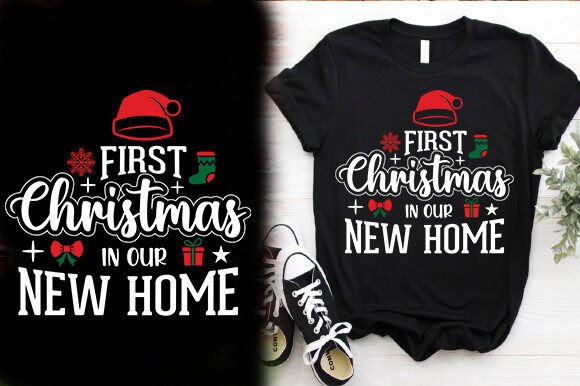
The moment I saw the First Christmas As a Dad T-shirt Design, my mind went straight to the sewing room. Yes, it’s listed under T‑Shirt Designs and Graphics, and the description leans toward screen printing and DTGs, but as someone who has converted dozens of vector art files into embroidery, I could immediately see the thread potential. Just last week, a client asked for a custom sweatshirt for her brother’s first Christmas as a father — a simple, sentimental layout that could go on a cozy hoodie. This design, with its clean vector shapes and editable palette, would have ticked every box. The emotional pull is immediate, and for anyone running an embroidery project or a small handmade shop, that matters more than the file format it ships in.
What Kind Of Holiday Vibe Does This Design Set?
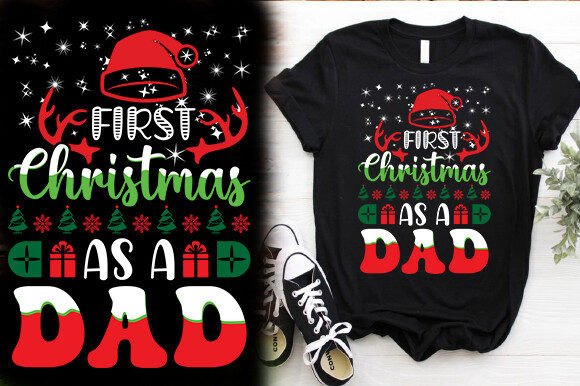
The visual personality feels warm, festive, and a little bit nostalgic. The wording First Christmas As A Dad alone sets a gentle, milestone-driven tone that new fathers, gift buyers, and even grandparent shoppers immediately connect with. While I haven’t seen the exact layout firsthand, the product notes mention 100 resizable vector shapes — this hints at a clean, likely typographic arrangement with some decorative flourishes, maybe a star, a tree silhouette, or a tiny ornament accent. The fact that it’s fully editable means you can strip it down to core text for a minimalist tote bag design or pump up the festive accents for a bolder embroidered patch. In an embroidery setting, that kind of control is a gift. You can match the thread colors to dad’s favorite flannel shirt, or soften the contrast for a vintage baby blanket. The mood is never locked — and that’s rare in pre‑made graphics.
Translating Vector Art To Thread: The Real Embroidery Test
A graphic that looks sharp on a printable mockup doesn’t always translate to stitches. The main victory here is the scalable EPS and SVG architecture. When you import these files into embroidery digitizing software, the clean paths make it much easier to assign stitch types without spending hours on node cleanup. For the main lettering, I’d lean toward a well-balanced satin stitch or a textured fill stitch depending on width. If the design includes fine decorative lines — say, tiny snowflakes or thin outline strokes — those may need a running stitch so the thread doesn’t bunch on delicate fabrics. Because every element is resizable, you can also enlarge thin sections before digitizing, keeping the stitch density comfortable. That alone saves plenty of test pieces.
But realistic embroidery use demands caution. I recently digitized a similar lettering‑based design for a dad cap and found that the original file had multiple overlapping shapes to create a shadow effect. In vector, it looked flawless; under the needle, those overlaps turned into doubled stitch lines that puckered the fabric. For the First Christmas As a Dad T‑shirt Design, I’d recommend opening the EPS and checking for stacked paths. A quick merge in your software stops the headache before the first stitch‑out.
Where This Design Shines On Finished Products
I picture this working beautifully on a whole range of handmade products and custom apparel:
- Sweatshirt embroidery: placed on the left chest or across the back, it becomes an heirloom‑feel keepsake for dad and baby photos.
- Tote bag design: a sturdy canvas tote with this stitched in dark green gives the new father a functional yet proud everyday bag.
- Baby embroidery: a small, softened version on a onesie or a tiny beanie turns a simple garment into a memorable baby shower gift.
- Embroidered patch: digitize it as an applique design and sew onto a denim jacket or a diaper bag — easy to sell multiple units at craft fairs.
- Pillow covers and tea towels: a holiday‑themed home item that buyers scoop up for cozy winter nights.
The editable color feature is a big plus here. You can prepare a set of thread colors for a classic red‑green combo, or pivot to muted greys and navy for a more modern baby nursery look. In my own craft business, offering two or three palette options on the same embroidery file often doubles the interest on an Etsy listing.
Fabric And Hoop Realities You Can’t Ignore
Not everything is smooth stitching. If you’re new to converting vector art to machine embroidery design, remember that fabric texture and hoop size will shape the result. Thin, stretchy fabrics like a baby bodysuit need a firm cutaway stabilizer so the lettering doesn’t warp after a wash. On dark backgrounds, a white or light‑coloured underlay stitch is non‑negotiable—otherwise, the festive thread tones get lost. I’d also suggest testing on a scrap of the exact fabric you plan to sell, not just plain cotton. A terrycloth kitchen towel, for example, can swallow small serif details in seconds.
Small hoops present another layer of thought. The design is fully resizable, but if your embroidered patch needs to fit a 4x4 hoop, make sure the text remains readable. Sometimes I create a compact version by removing a secondary line or simplifying decorative corners — something the vector format makes quick work of. Always run a stitch‑out of the downsized design before offering it on a cap or a baby bib.
Troubleshooting Small Details And Clean Stitching
When you open a design asset like this, it’s tempting to hit “convert to stitches” and call it a day. Real professional embroidery thrives on small tweaks. Check the original file for any thin, floating shapes that might become break‑prone running stitch segments. If the design includes tiny dots or accents that look great in ink but would create jump threads in thread, remove or enlarge them. Test the design in a black‑and‑white mockup first — this quickly reveals if you’re relying too much on color to carry the composition.
For a personalized gift or a commercial embroidery run, I always do at least two test stitch‑outs on scrap fabric. One on mid‑weight cotton and one on the final product material. The stitch density that looks elegant on a sweatshirt can feel stiff on a thin woven tote. Small time investments here build huge trust with customers.
From A Designer’s Desk: Practical Advice Before You Start Selling
If you’re an Etsy seller or a small shop product creator, keep a few housekeeping notes close. First, the source file for First Christmas As a Dad T‑shirt Design comes as a Fully Editable Vector EPS 10 and SVG — this means you can legally modify it for your embroidery workflow, but if you plan to sell the digitized embroidery file itself, check the original seller’s license. Many graphic designers allow derivative digital embroidery files as long as they’re flattened, while others require an extended commercial use purchase. A quick message before you list saves trouble.
Second, make full use of the vector flexibility. Before digitizing, I’ll often adjust stroke weights and remove overlapping objects to keep the final stitch density gentle. If you’re offering an applique design version, separate the background shapes from the text in your software; cutting fabric pieces becomes far easier. Finally, take advantage of the colour edit feature to batch produce variants. A single embroidery project can then become five different listings — dad in forest green, dad in burgundy, dad in neutral heather grey. That variety keeps your craft store feeling fresh through the Christmas rush.
The Commercial Creatives Who Will Love This Design
Ideal users go beyond the one‑time hobbyist. A craft business owner who sells at holiday markets can stitch this onto aprons, caps, and kitchen towels and watch them move fast. Makers who personalize baby embroidery gifts will find the theme pitch‑perfect for newborn keepsakes. Even a boutique that does small‑batch sweatshirt embroidery for new parents can incorporate the design into a coordinated set, pairing a dad tee with a matching mini onesie. The sentimental hook — a father’s first holiday — triggers impulse buys in a way that generic snowflakes rarely do. And because it’s a design asset you can tweak endlessly, you aren’t locked into just one finished product style.
Final Thoughts On Using First Christmas As A Dad In Your Embroidery Business
I’d confidently recommend the First Christmas As a Dad T‑shirt Design as a starting point for any holiday embroidery lineup. The visual appeal is genuine, the editable vector foundation saves hours, and the emotional resonance converts to sales. No, it’s not a grab‑and‑stitch embroidery file — you’ll need to digitize carefully, check small details, and test across fabrics. But for designers willing to put in that thoughtful work, the result is a custom apparel piece or a handmade product that feels far more valuable than the screen‑printed alternative. I’d stock up on sample shirts and tote blanks now, because when the first dad sees those stitched words, the reaction is exactly the kind of word‑of‑mouth marketing no paid ad can replace.