Heartbeat Cornhole Board Graphics for T-Shirt Designs
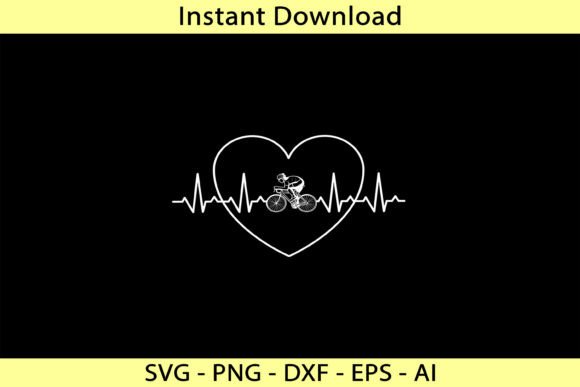
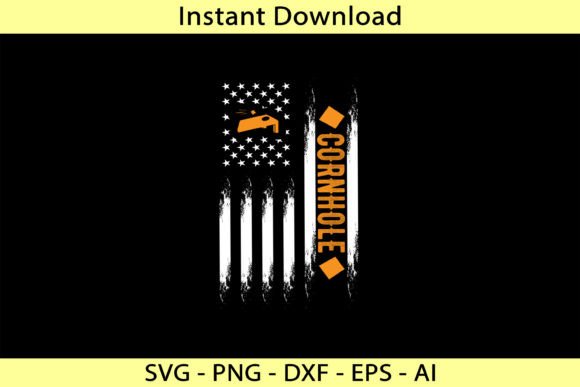
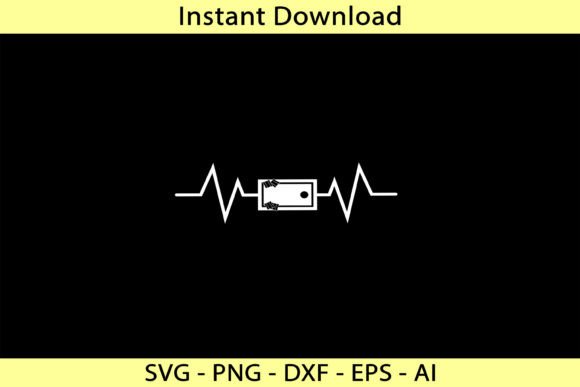
The first time I dropped the Heartbeat Cornhole Board SVG into my design workspace, it immediately set a tone—equal parts casual tailgate grit and rhythmic energy. The graphic doesn’t just illustrate a game board; it captures a pulse. That visual heartbeat, tracing across what is unmistakably a cornhole board silhouette, creates a mood that’s both playful and emotionally charged. It’s the kind of asset that makes you think of backyard rivalries, charity tournaments, late-summer cookouts, and the moment right before a crucial toss. For a designer, that instant readability is gold. It tells a story without a single word, which is exactly what you want in a graphic design asset built for fast-moving commercial work.
How the Visual Pulse Sets the Project Mood
The style lands somewhere between sporty graphic and motivational icon. The heartbeat line adds a layer of intensity—think of it as the visual equivalent of a pre-game ritual. The board itself is rendered with enough structure to be instantly recognizable, but the overall composition stays raw enough to feel handmade and authentic. There’s no sterile vector perfection here; instead, you get a design that would feel right at home on a well-worn hoodie, a vintage-style poster, or a limited-run sticker. For a client project, this means the Heartbeat Cornhole Board immediately anchors the visual narrative. It suggests movement, passion, and a little friendly competition. In a world of over-polished clipart, that subtle grit is a competitive edge.
A Real Project Angle: From Concept to Customer-Ready Merch
I originally pulled this file for a mock project: a small-town cornhole league rebranding their annual charity event. They needed a logo-graphic hybrid that would work across t-shirts, snapbacks, pop-sockets, and pint glasses. The Heartbeat Cornhole board SVG t-shirt design Print Ready File became the hero element during that concept phase. Because it’s a vector, I could scale it effortlessly from a chest-left shirt placement all the way up to a full-back print for hoodies. I changed the stroke color to match their team orange in under a minute. That type of flexibility is non-negotiable when you’re building a cohesive merchandise line from a single digital product. The league loved seeing the heartbeat echoed on a koozie and then a sticker sheet mockup—it tied everything together without needing secondary illustrations. For a print-on-demand seller or an Etsy shop owner, that multi-product adaptability can cut design time in half.
Where the Design Asset Shines in Real Client Work
- T-shirt and Apparel Graphics: The SVG handles large format printing beautifully. On a black tee, the heartbeat line creates dramatic contrast; on a heathered gray sweatshirt, it feels softer and more legacy-brand.
- Merchandise and Promotional Products: Mugs, tumblers, pop-sockets, pillows, and tote bags all provide flat, generous print areas where the design’s silhouette reads clearly.
- Event Banners and Signage: Scaled up for a banner or a yard sign, the graphic becomes a bold visual anchor, especially when paired with event typography.
- Social Media and Digital Campaigns: As a hero image on Instagram posts, event covers, or Pinterest pins, it instantly communicates the sporty, heart-racing theme.
- Cricut and DIY Crafting: The SVG imports cleanly into Cricut Design Space, making it a strong candidate for HTV (heat transfer vinyl) projects, custom tumblers, or wood sign stencils.
When to Pull Back: Limitations and Cautious Use
Not every project has the breathing room this graphic deserves. At very small sizes—say, under two inches wide—the heartbeat line’s peaks and valleys start to close up, especially on textured fabrics. In busy layouts where the background is already competing for attention, adding this asset can push the composition into chaos. I’d also avoid it for minimalist branding or high-corporate environments where the rugged, sporty personality might clash with a polished, sterile identity. Finally, if your client’s audience has no connection to cornhole, the board silhouette can feel confusing rather than clever. Context matters.
Technical Designer Notes: File Formats, Scalability, and Print Readiness
Before you drag this into a live client file, run through a few checks. Since it’s provided as an SVG, you’re working with a true vector source—no pixelation, no quality loss. I opened it in Adobe Illustrator, Affinity Designer, and Inkscape; each handled the paths smoothly. If the download includes a transparent PNG, that’s a bonus for quick Canva drag-and-drop or mockup placement. Always confirm whether the package offers both black-only and color variations and whether the SVG retains editable strokes and fills. I always ungroup the design, test color swaps, and look for stray nodes. For sublimation design files, you need a high-resolution raster version, so export a 300 DPI PNG on a large artboard. Print tests are non-negotiable: I printed the graphic on a white t-shirt transfer, a dark garment DTF sheet, and a matte sticker paper to check edge sharpness and ink laydown. The heartbeat line held up well, though slightly thickening the stroke weight improved durability on coarse fabric.
Integrating the Graphic into a Cohesive Brand Identity
Where this SVG design truly earns its place is in how easily it partners with type. I tested it against six font styles: a bold sans-serif (Montserrat ExtraBold), a condensed sport font (Bebas Neue), a hand-drawn marker script, a clean serif, a retro slab, and a modern handwritten. The heartbeat graphic paired exceptionally with condensed sans-serifs for a collegiate athletic look, while a gritty script gave it that handmade boutique feel. When used as a secondary element—say, tucked behind a team name or as a sleeve accent—it added motion without dominating. For brand identity work, consider pulling a single color from the heartbeat line and using it as an accent across packaging, hangtags, or web graphics. That tiny rule instantly builds visual trust and recognition.
From a legibility standpoint, the silhouette remains distinct even when flipped horizontally or rotated, which means you can use it as a repeat pattern element on drawstring bags or within a design bundle of social media templates. Keep contrast high: a dark heartbeat on a light background, or a neon heartbeat on a dark background, consistently outperforms mid-tone variations. If your client is building an online store, imagine this graphic as the recurring motif across a product grid—shoppers will recognize the brand’s energy before they read a single product title.
Checking the Commercial License and File Integrity
Before you deliver any assets to a client or list a new t-shirt on a print-on-demand platform, open the included license file. Most sellers allow use on physical merchandise for sale, but restrictions may apply to digital redistribution or modifying the file and reselling it as a standalone graphic. I always screenshot the license terms and attach them to the project folder for my own records. Also, scan the SVG code in a text editor to ensure there’s no embedded raster image disguised as vector—this occasionally happens with auto-traced files and will ruin smooth scaling. This particular file imported clean, with no stray bitmap pockets. If you’re using Canva templates as a design base, upload the SVG and test on both light and dark template backgrounds; Canva’s conversion sometimes shifts path alignment, so zoom in tight.
Emotional Appeal and Audience Engagement: Why It Works
Designs that perform well in small business branding often tap into a shared experience. Cornhole is one of those universal social rituals—it crosses age groups, regions, and event types. The heartbeat overlay transforms a simple board graphic into something that feels personal. You’re not just wearing a cornhole board; you’re wearing the love of the game. That emotional hook is what stops a scroller mid-feed on Instagram, gets a retweet from a local league, and moves a t-shirt from “browse” to “add to cart.” For a creative marketplace seller, this graphic becomes a vehicle for storytelling. You can build an entire campaign around tournament prep, tailgating rituals, or “heartbeat of the backyard.” That thematic clarity is worth more than any dozen generic clipart options.
Practical Workflow: From Download to Client Presentation
When I prepare a client concept using a third-party graphic design asset, I build a quick style tile. I pull the SVG into a mockup environment—let’s say a t-shirt template, a mug mockup, and a phone case frame. I duplicate the file and create three colorway variations: original black, a distressed white on charcoal, and a bright tournament orange. Then I place each variant next to the client’s existing logo or wordmark. This instant visual proof often answers the “will it work?” question before the client asks it. Because this Heartbeat Cornhole Board file is print-ready, the mockups look believable with minimal tweaking. I also create a one-page PDF with the design overlaid on a crowd-shot event photo to show how the merchandise will read in real life. For apparel, I always include a note about suggested garment colors—heathered gray, black, navy, and deep forest green tend to elevate the graphic’s sporty DNA.
Final Designer Verdict: A Niche Asset with Broad Application
After putting the Heartbeat Cornhole Board through its paces—scaling, printing, color-shifting, and pairing with type—I’m confident it belongs in my go-to folder for sporty, event-driven merchandise and team branding. It’s not a design you’ll use on every project, but when the brief calls for high energy, competitive spirit, or tailgate culture, it delivers instantly. The vector quality holds up under commercial pressure, and the emotional resonance gives even a simple t-shirt design an edge. For anyone managing packaging design, social media graphics, or Cricut projects, this is the kind of asset that can anchor a limited-run collection or a seasonal campaign with minimal extra work. Just double-check your license, thicken the stroke if you’re going small, and always present it on a real product mockup to sell the vision. In the right hands, a single heartbeat line across a familiar board becomes a brand signature.